BACK TO THE FRONTIER
Producer / Director (Self-shooting)
HBO Max | 8 × 60’ | 2024–2025
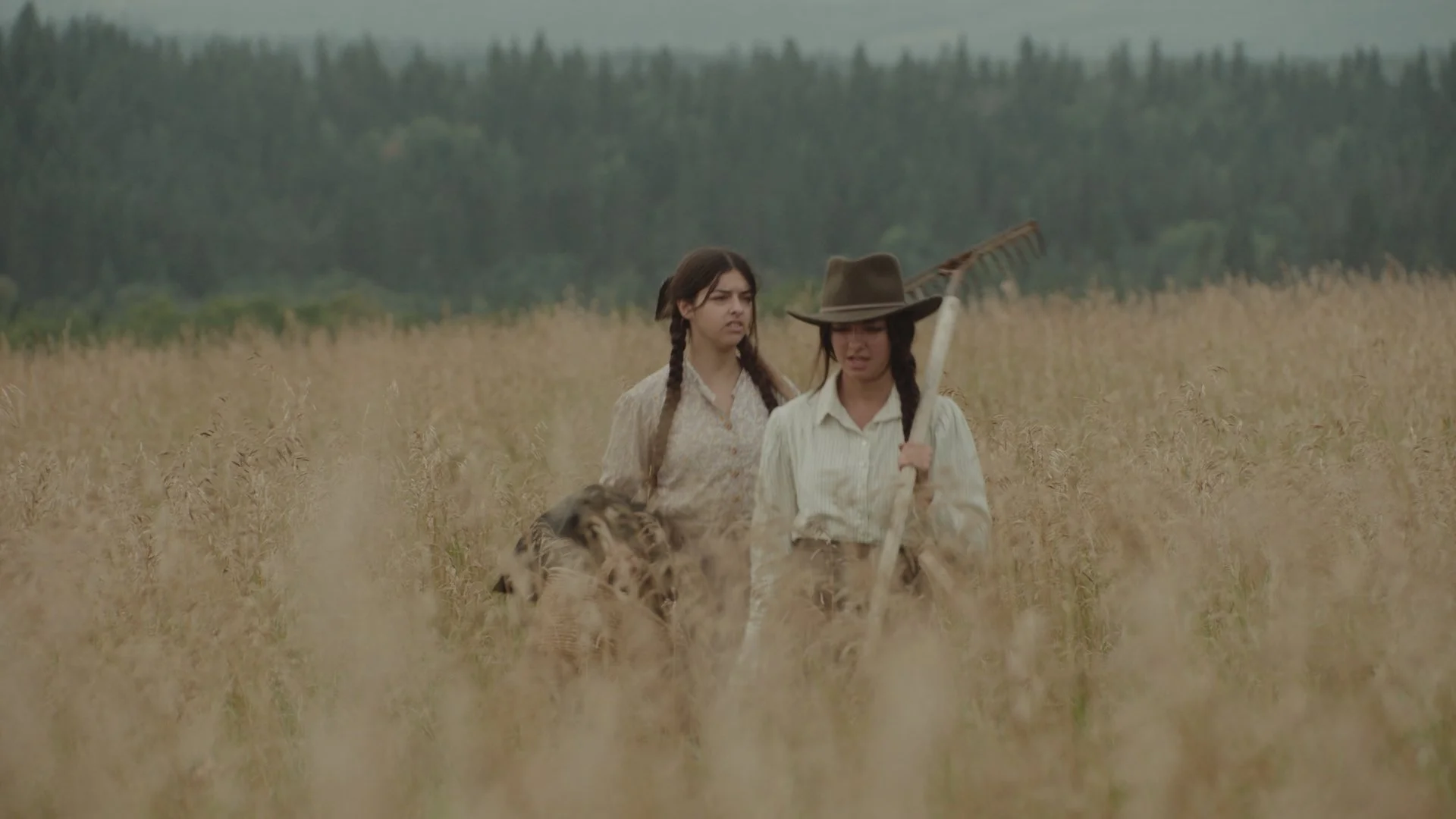
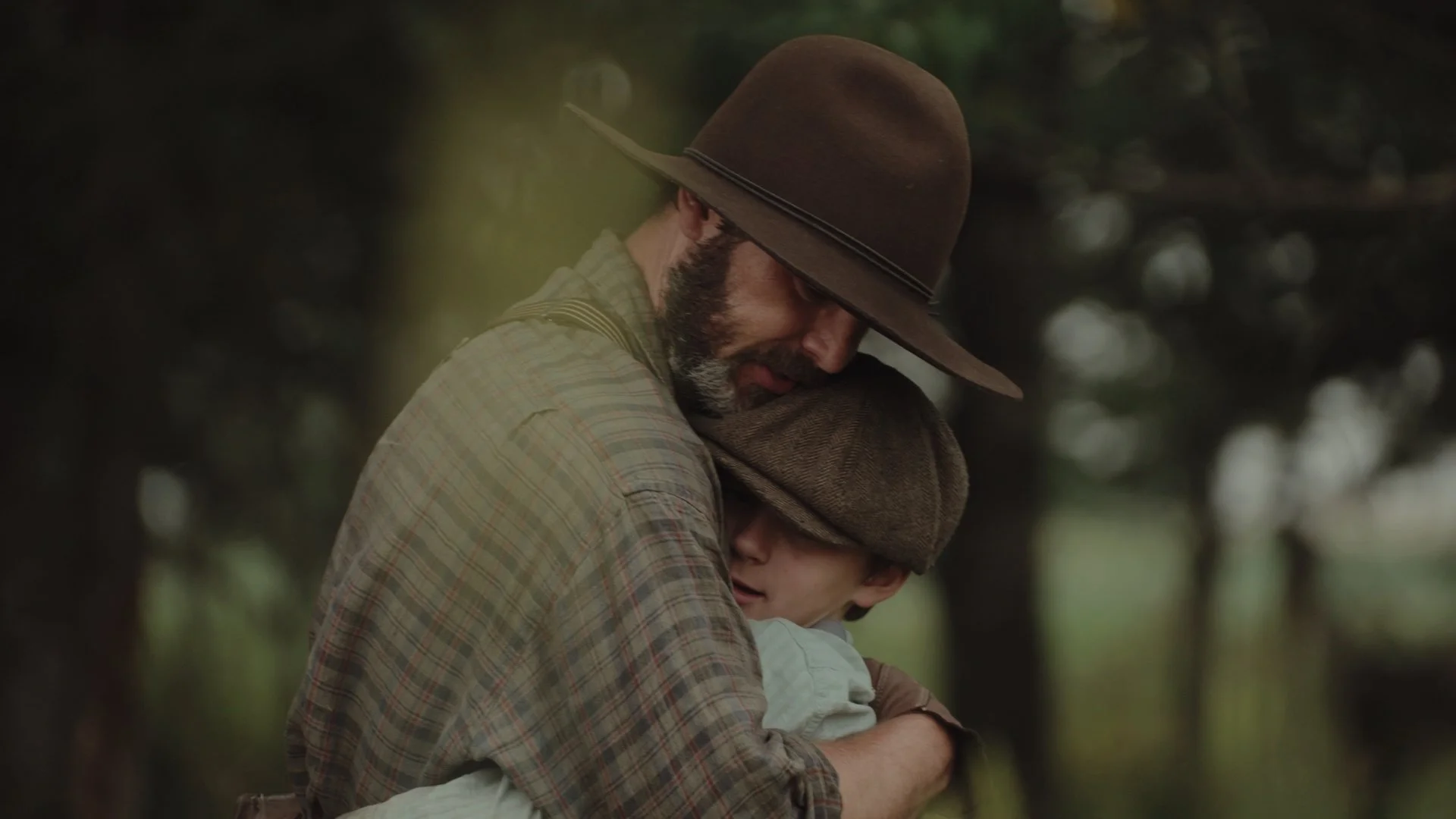
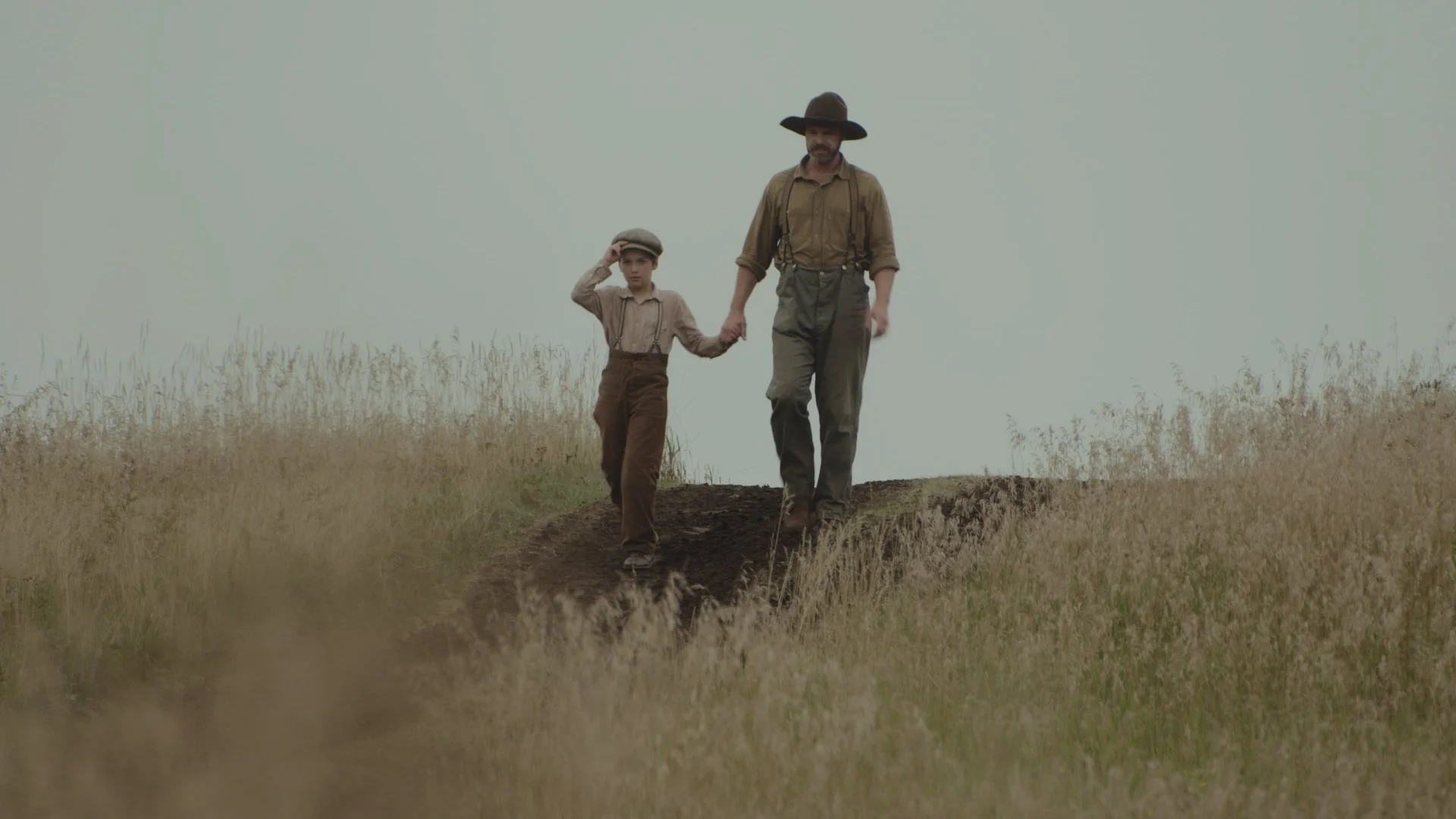
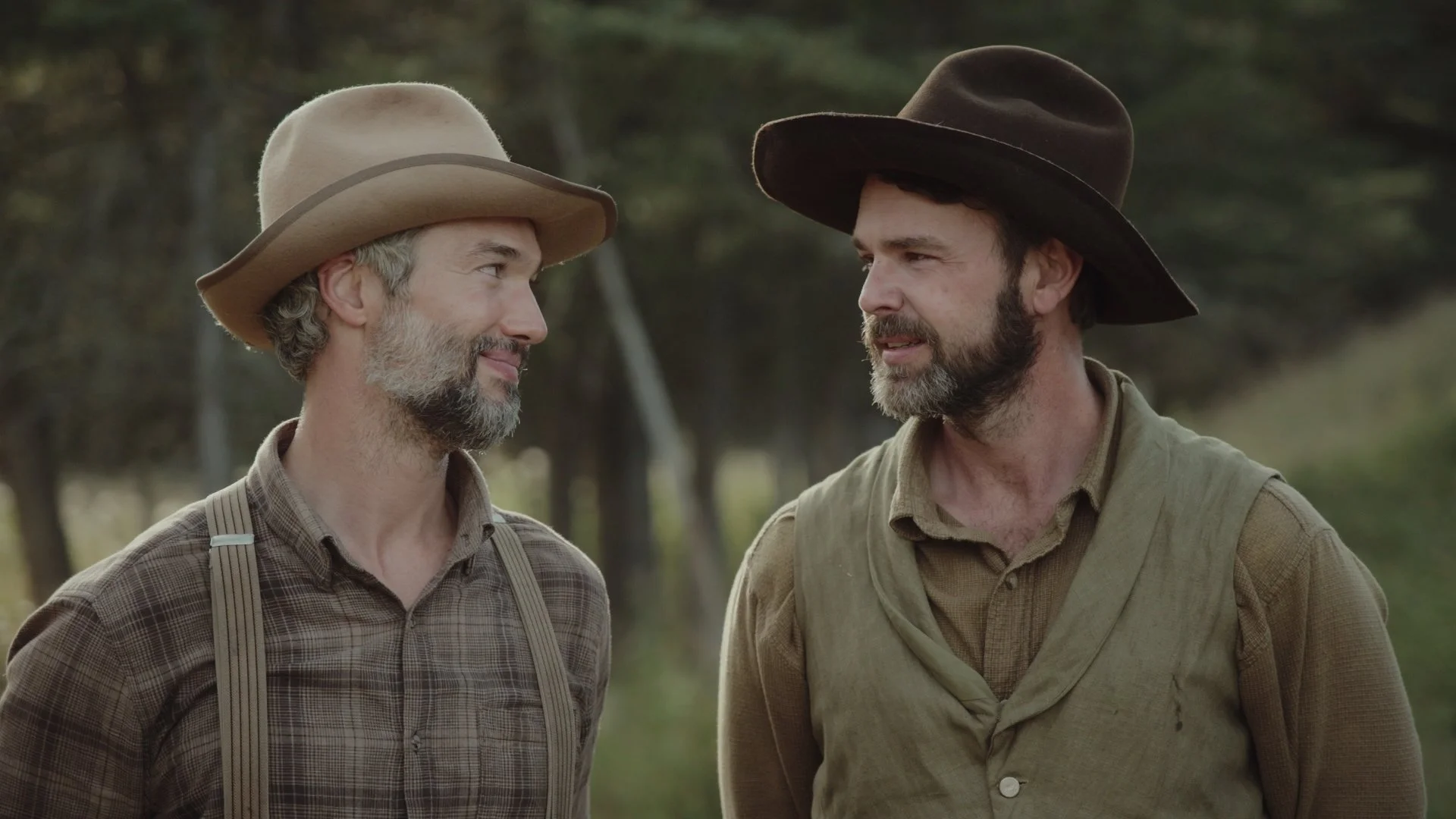
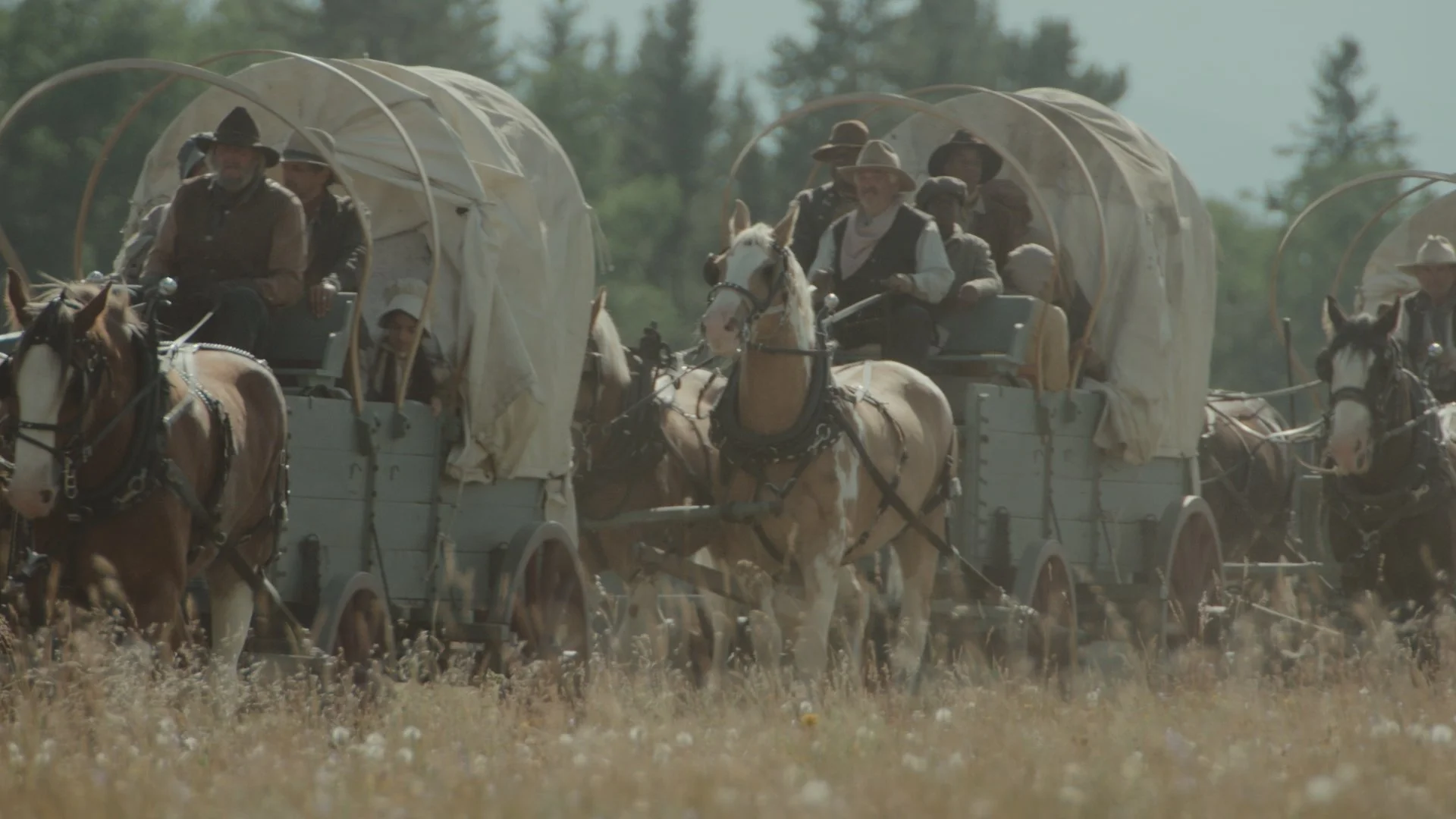
Back to the Frontier is a social-experiment living history / reality series that drops three modern American families back into the 1880s frontier for six weeks. With no phones, no electricity, no running water, and no idea how to survive. Stripped of every modern convenience, they must farm, forage, build shelter, raise livestock, and literally prove up their land to survive a harsh winter, mirroring the real challenges faced by homesteaders under the 19th-century Homestead Act, learning about the history, and the effects it had on the indigenous american communities.
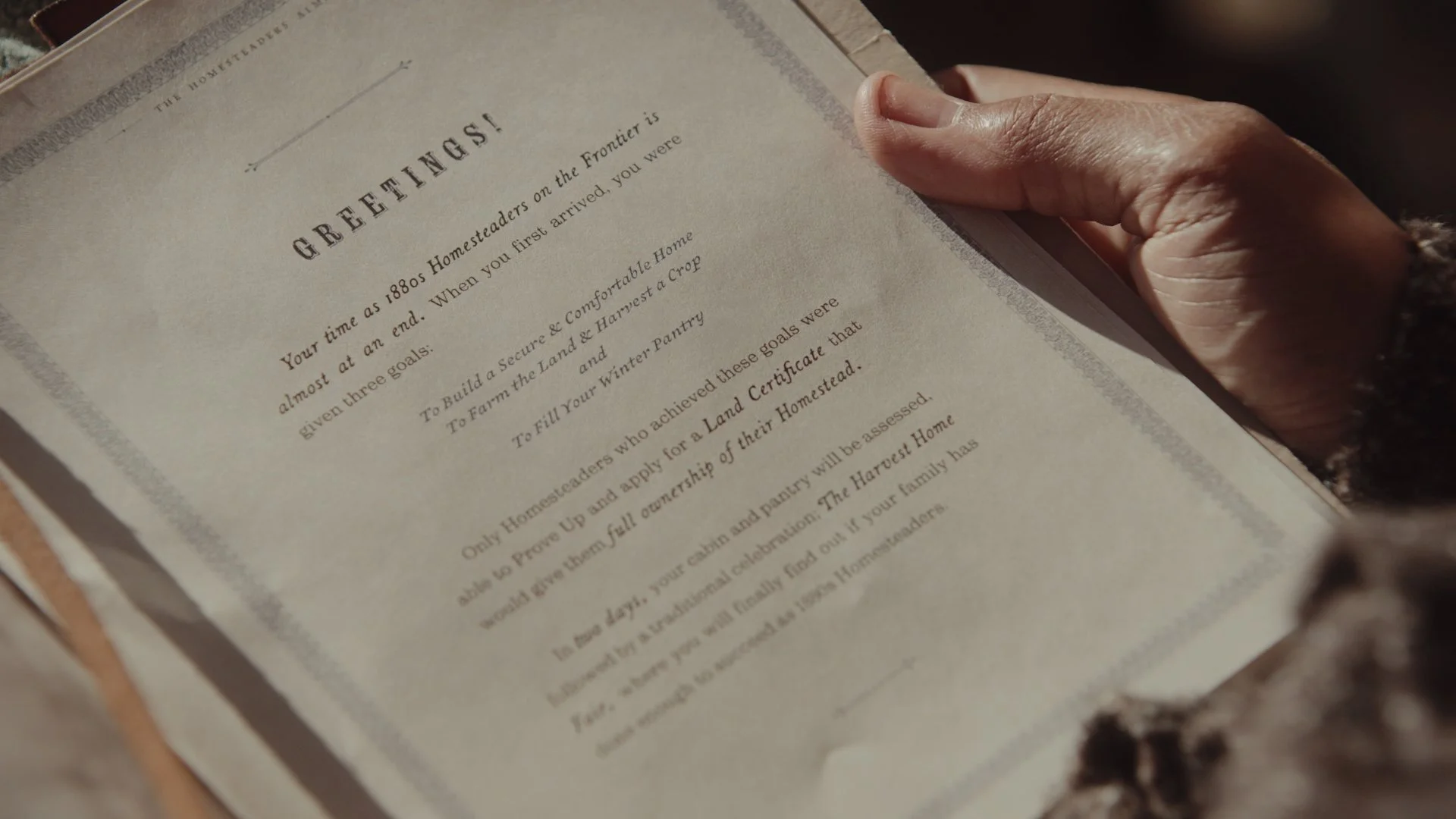
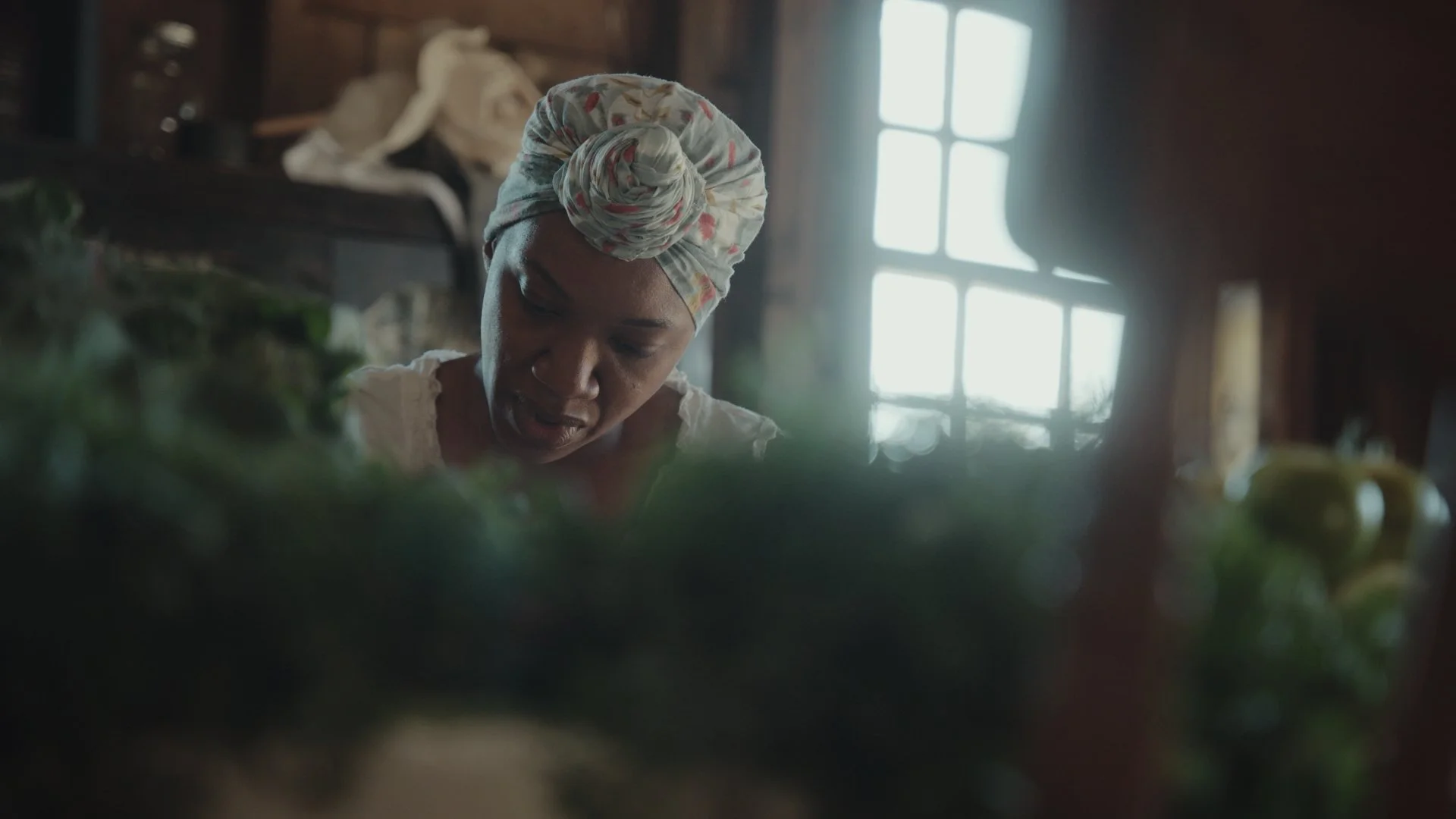
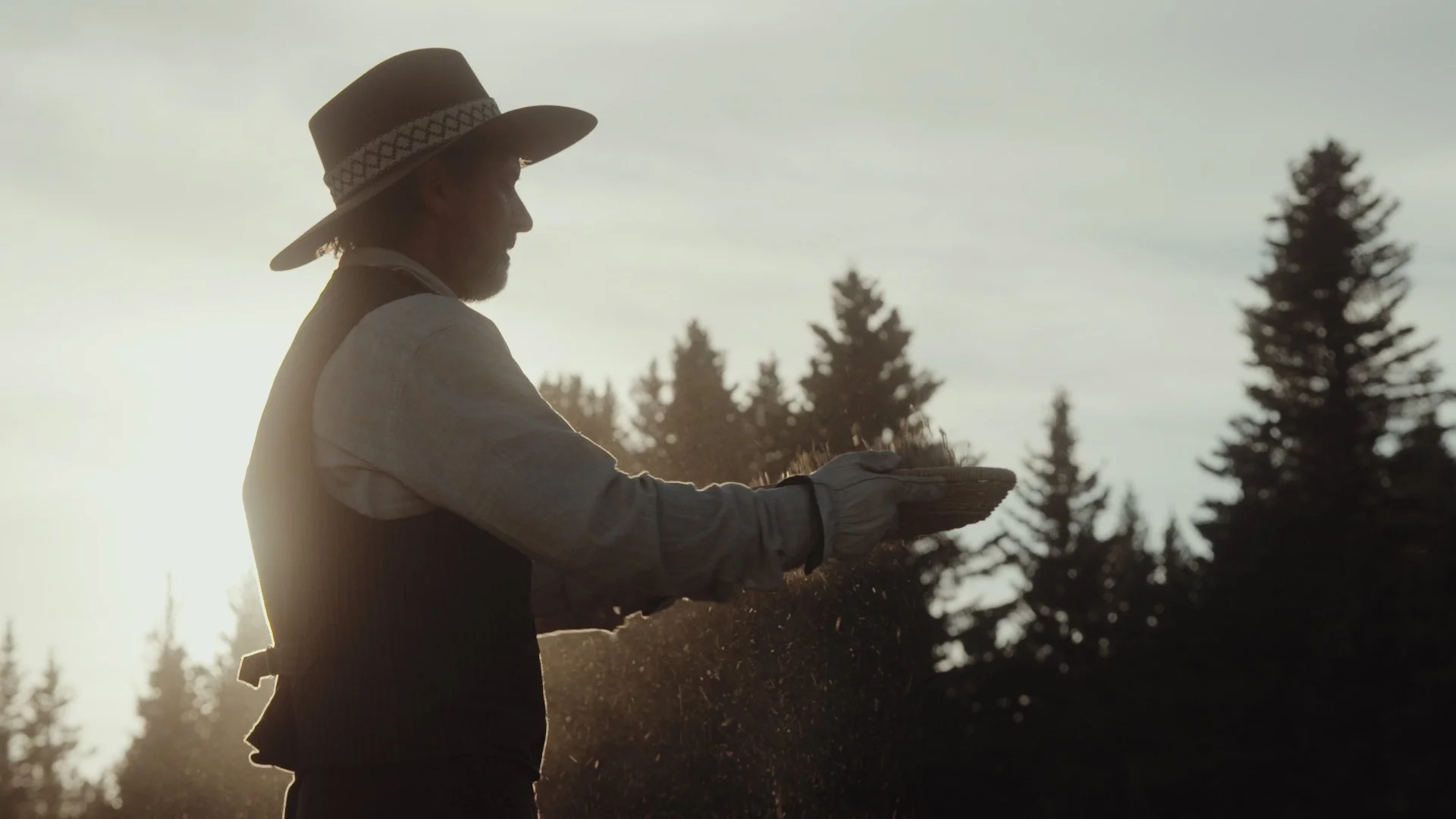
The experiment doubles as living history and a deeply human documentary. Guided by historians, real homesteaders, and an 1880s almanac (think a frontier choose-your-own-adventure), families learned traditional skills - from lighting a stove by candlelight to harvesting crops by hand - while also confronting their own modern-world dependencies and discomforts. The result was often funny, sometimes painful, and consistently revealing about what we take for granted today.
The series doesn’t shy away from complexity. It includes a racially and socially diverse cast, including a same sex male couple raising twins, which led to broader cultural conversations around representation and history as the show hit screens in summer 2025.
On location, I spent months with these families: visiting them in their real lives across the United States to capture backstory and master interviews; building genuine rapport so they felt safe to reveal their vulnerabilities; and then stepping back into an observational, light-touch directing mode once they crossed into the frontier. Although our cameras were an unavoidable anachronistic reminder of their modern lives, our approach was to maintain a certain amount of separation so the psychological and physical challenges could play out authentically.
With a narrative framework set by a specialised historical team and daily missions delivered through the almanac, my editorial job was part retreat director, part dungeon master: know the arc but let the families create it, respond when they diverged, and always keep a keen eye on the moments that revealed something deeper about character, resilience, and transformation.
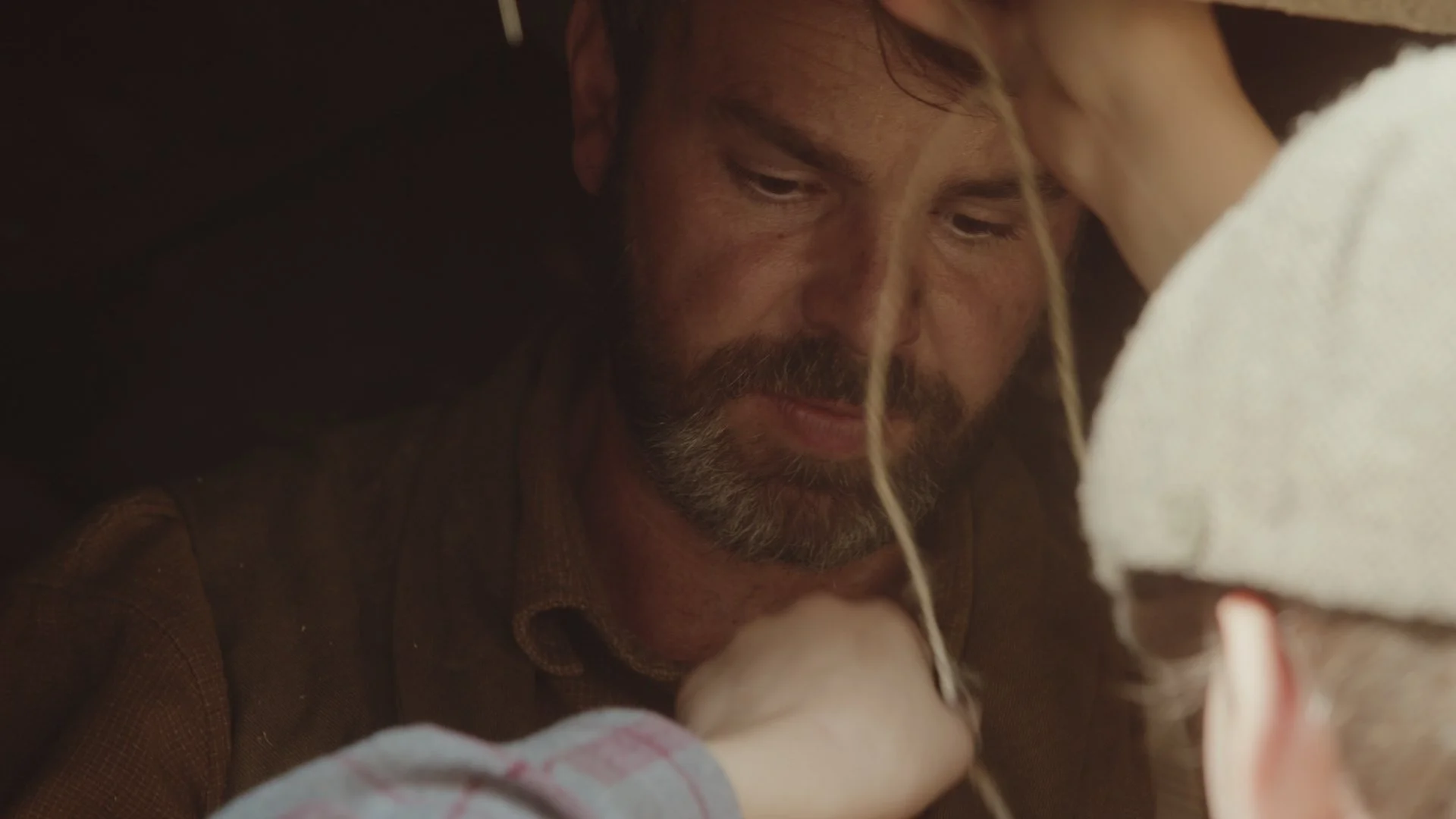
The result was a series that felt heartwarming, humorous, and unexpectedly insightful about how 21st-century families adapt when everything familiar is taken away.
Whether it was teaching kids the value of work without screens or watching stoic adults grapple with physical hardship, Back to the Frontier captured a journey of discomfort, adaptation, and growth that lingers long after the cameras stopped rolling.